Every couple ends up with a handful of guests who never respond, and it is rarely a genuine 'no.' It's usually a message that got buried under a hundred other WhatsApp chats. A few small changes to how and when you ask make a real difference to your response rate.
Send the link directly in a personal message, not a broadcast
A group broadcast reads as impersonal and easy to skip past. A direct message with the guest's name, even a short one, gets opened and responded to far more reliably. This is more effort per guest, but it is also the single biggest lever on your response rate.
Time it around a weekend evening
Messages sent during a weekday workday compete with everything else in someone's inbox and often get an "I'll reply later" that never comes. A Friday evening or weekend message, when people are more likely to be relaxed and scrolling through their phone, tends to get read and answered in the same sitting.
Make the RSVP itself take under a minute
If responding means opening an app, creating an account, or filling in a long form, a meaningful share of guests will put it off and forget. A simple form asking for name, attendance, and maybe a dietary note (nothing more) gets completed on the spot far more often than a longer one.
Follow up once, not five times
One friendly follow-up a week or two before your deadline is enough for most people who genuinely intended to respond and forgot. Repeated reminders past that point tend to annoy rather than convert. If someone hasn't responded after two asks, a phone call gets a faster answer than a third message.
Give a real deadline, not "soon"
'Please RSVP soon' has no urgency attached to it. 'Please RSVP by 1 December' does. Guests respond to deadlines the same way they respond to any other commitment: vague asks get deprioritised, specific ones get a diary entry.
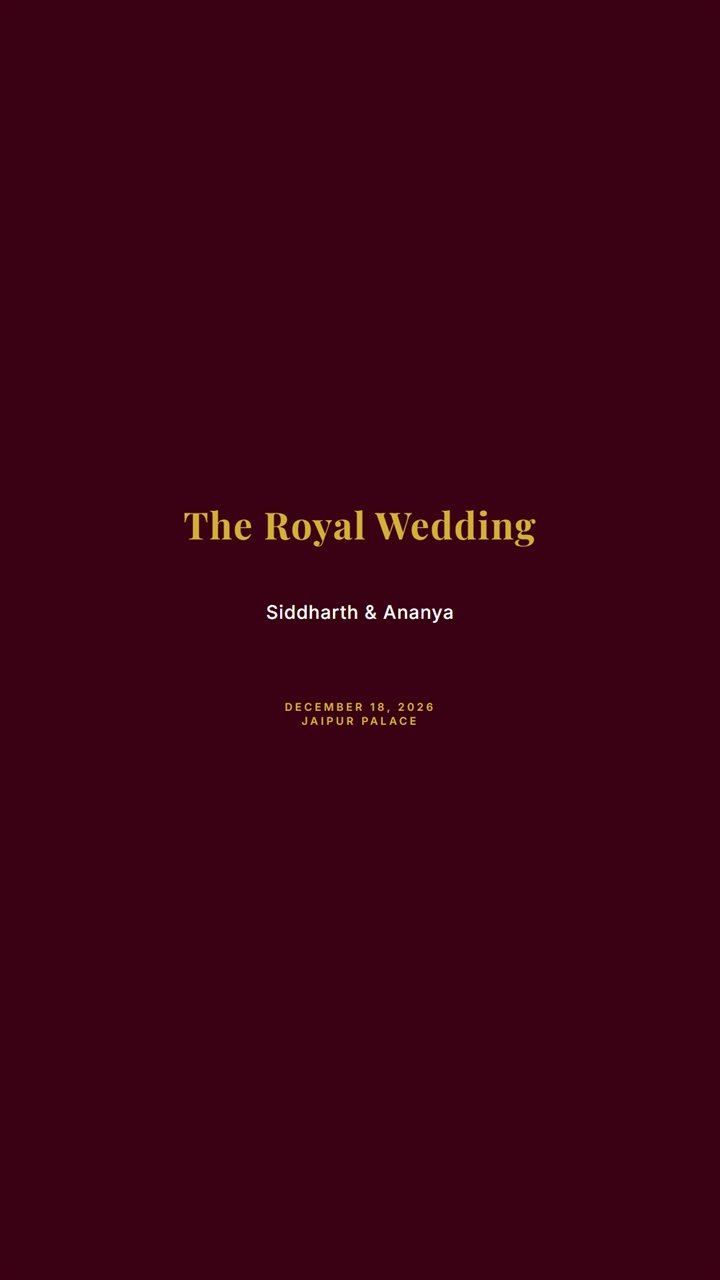
This is the exact gap Bulava's RSVP tool is built to close: your invitation link opens straight into a short form, responses land in your dashboard in real time, and the invitation itself is built to be shared as a WhatsApp message rather than an email attachment or a printed card, because that's where guests are already reading.